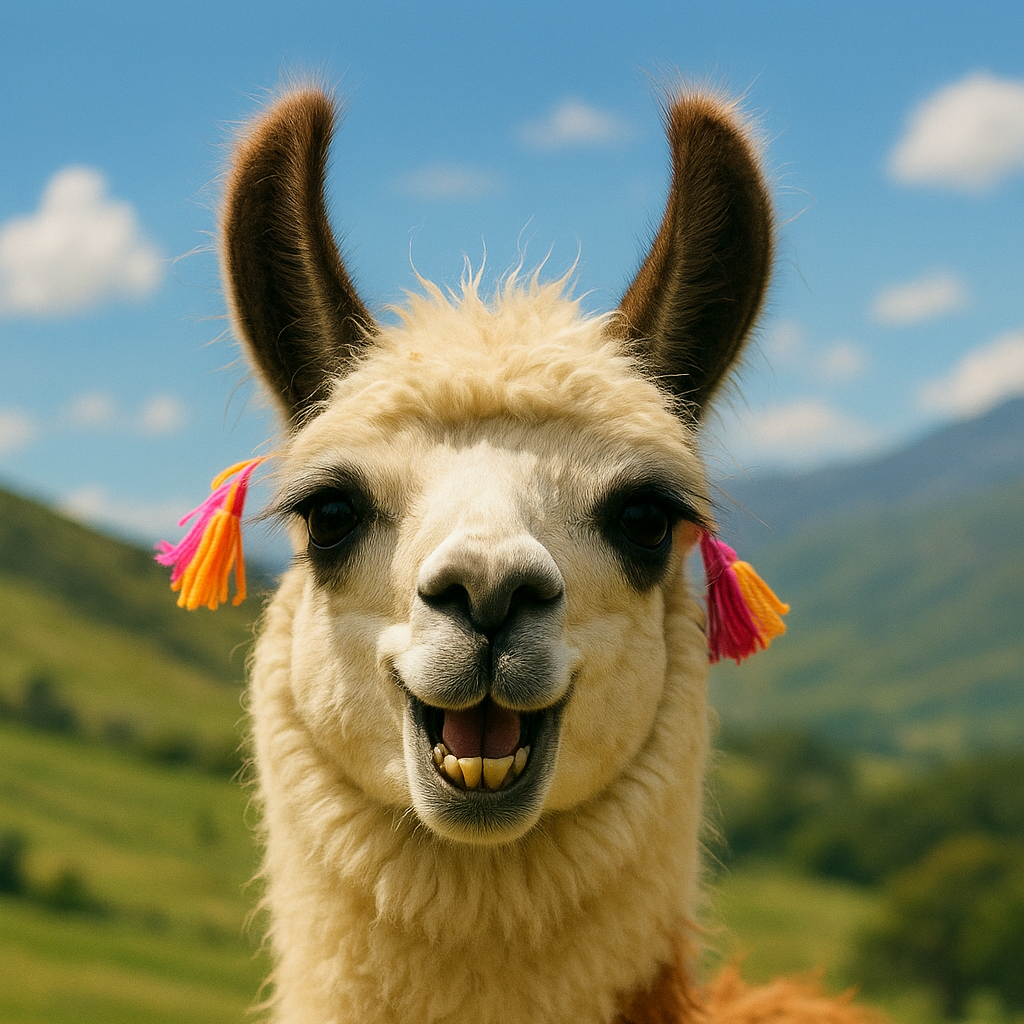
With their long necks, oversized eyes, and perpetually unimpressed expressions, they straddle the line between majestic and ridiculous—and that’s exactly why we love them.
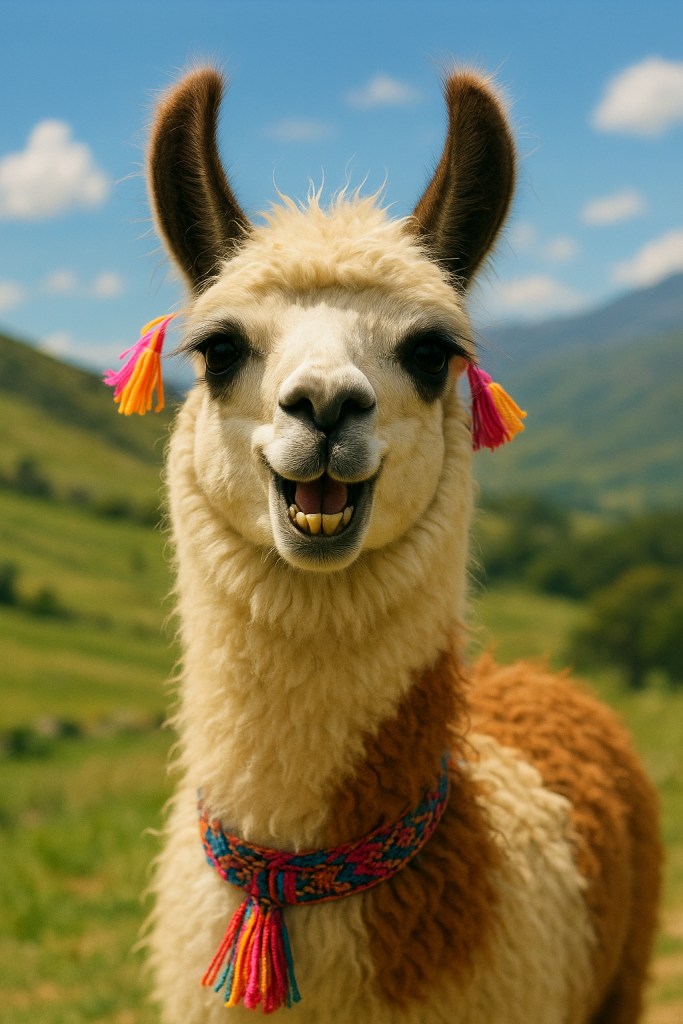
Llamas are one of the most charming and charismatic animals on Earth. Native to the Andean highlands of South America, these fluffy creatures are more than just photogenic faces; they’re also workhorses, companions, and unexpected sources of joy.
Domesticated over 4,000 years ago by indigenous people in what is now Peru and Bolivia, llamas have been essential to mountain life for millennia. Unlike their close relatives, the alpacas, which were bred primarily for their fleece, llamas were designed by humans to carry loads—literally. A fully grown llama can carry about 25–30% of its body weight, making them the original pack animal of the Andes.
They may be pack animals, but llamas are not beasts of burden in the traditional sense. They’re intelligent, proud, and a little fussy. If you overload them or treat them poorly, they’ll simply refuse to move—or worse, spit at you. This infamous llama behavior isn’t just a funny quirk; it’s a form of communication. Spitting, ear-pinning, and various hums or groans are all part of the llama language.
Despite their occasional sass, llamas are deeply social animals. They prefer to live in herds and can become anxious if isolated. They bond not only with other llamas, but sometimes with sheep, goats, and even humans. In fact, they can be so protective of their flock that they’re used as guard animals in some U.S. farms—successfully scaring off coyotes with their size, stomp, and attitude.
Of course, llamas are also prized for their wool. While not as fine or soft as alpaca fleece, llama fiber is warm, lightweight, and lanolin-free, making it hypoallergenic. It’s used to create everything from garments and blankets to ropes and rugs. In parts of South America, llama wool is still woven using ancient techniques passed down through generations.
And let’s not forget: llamas are stylish. Their coats can be white, black, brown, gray, or a patchwork of all the above. Some have shaggy manes; others look like they just stepped out of a salon. Throw a festive woven blanket and some tassels on them—as is customary in Andean festivals—and suddenly you’ve got an Instagram star.
In recent years, llamas have also found a second career: therapy animals. Their calm demeanor and goofy looks seem to bring out smiles everywhere they go. Whether it’s visiting nursing homes, participating in school events, or simply standing in a petting zoo looking vaguely smug, llamas have a knack for lifting spirits.
Cultural icons
They’ve also become cultural icons. You’ll find llamas on mugs, notebooks, pajamas, and even memes. Why? Because they radiate a kind of awkward elegance. They’re relatable. They don’t try too hard. They’ll climb a 14,000-foot mountain, but they’ll also let you know if your vibe is off.
So the next time you see a llama, whether it’s on a trail in the Andes or in a viral video wearing sunglasses, take a moment to appreciate what they represent: resilience with a side of ridiculousness. In a world full of chaos, be the llama—steady, soft, slightly dramatic, but always unforgettable.
Leave a Reply
You must be logged in to post a comment.