
Birds are even more delightful than you think!
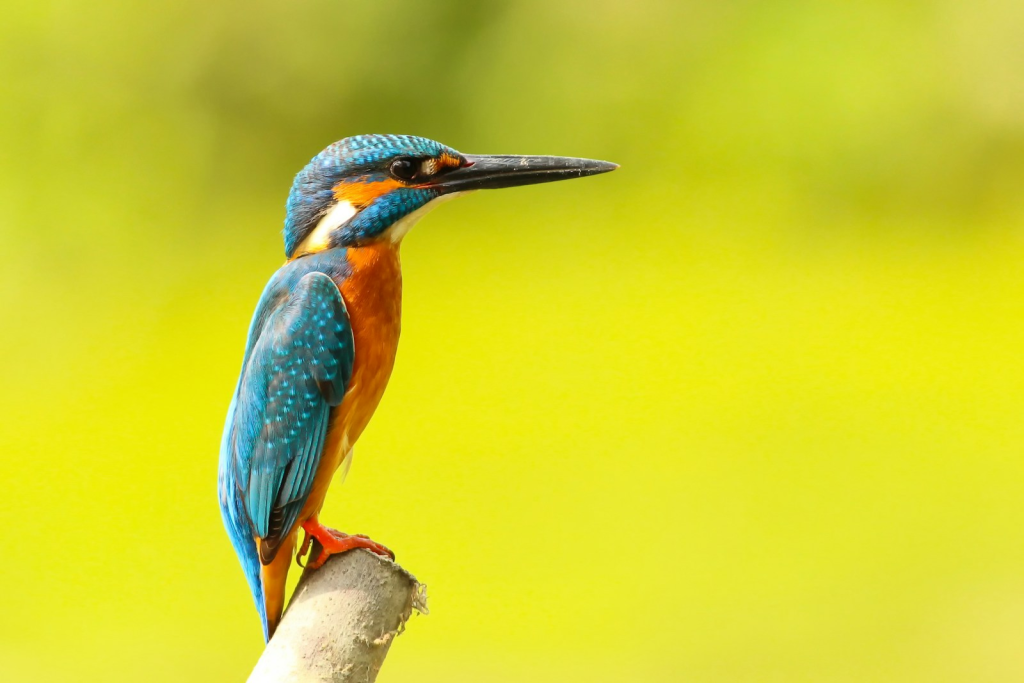
Birds are some of the most captivating creatures on Earth, yet most of us pass them by without a second thought. From city-dwelling pigeons to high-altitude hawks, birds have adapted to almost every environment humans inhabit — and many more we don’t.
One of the most fascinating aspects of bird life is migration. Every year, millions of birds fly thousands of miles to breed, feed, or escape harsh winters. Arctic terns, for example, migrate from the Arctic to the Antarctic and back again — a round trip of nearly 25,000 miles. These journeys are not only impressive in distance, but in precision: many birds return to the same tree or patch of shoreline year after year, guided by magnetic fields, stars, and even smell.
Birdsong is another wonder. While often used to mark territory or attract a mate, some birds, like mockingbirds and lyrebirds, develop complex repertoires that include imitations of other species, animals, and even car alarms. Bird vocalization is now being studied not just for ecological reasons, but as a possible window into the origins of human language.
Birds also play a vital role in ecosystems. They pollinate plants, control insect populations, and disperse seeds. When bird populations decline, the effects ripple across entire habitats. This is why conservation groups track bird numbers closely — they’re like early warning systems for ecological health.
Whether you’re a backyard birder or just someone who occasionally glances up at a hawk circling overhead, it’s worth pausing to appreciate how intricate and varied bird life truly is. They’re not just background noise — they’re living, breathing marvels of evolution.
Leave a Reply
You must be logged in to post a comment.